Yeshiva
Beit Midrash
- Shabbat and Holidays
- Jewish Holidays
- The Holidays of Tishrei

It is not only one of observance of the halacha regarding every special day as detailed for us in Jewish law, important and vital as this is, but there is also a far deeper connection, one that touches our souls and hearts. That value is that we somehow appreciate that our purpose in life is to serve our Creator, to fulfill the mission of creation itself, to justify our existence so that we will not toil for emptiness and not be born to be confused and purposeless.
And the service of God takes on many different forms and nuances – it is never only one way exclusively. Thus eating on Erev Yom Kippur is considered to be somehow equal to the day of fasting on Yom Kippur itself. And therefore it is obvious that rejoicing, physically and spiritually on Succot also in service of the Creator is also a way to serve that Creator just as fasting and solemnity on Yom Kippur is done in service of the Creator.
This is an important lesson in life for all occasions. The rabbis stated that "Just as one must make a blessing of thanksgiving over good tidings so too must one make a blessing over tidings that are painful and even tragic. " All of the occurrences in life are directed towards the service of God.
The fact of Divine forgiveness on Yom Kippur certainly enhances our feelings of joy and contentment on Succot. It is difficult for one’s soul to be content and joyful if it is burdened down with sin. The knowledge that we serve a forgiving God, One who is gentle with human foibles and errors, and that we are always given another chance to improve and grow spiritually and emotionally, is in itself a cause for inner happiness and joyful outlook.
The Torah provided us with freedom from the everyday bonds of our homes on Succot. It provided us with an appreciation of the beauty of God’s natural world, with commandments that enhance our eyes and fill our souls. Succot releases us from the ordinary and allows a peek into the surreal and extraordinary, into a world removed from our ordinary mundane existence.
Simply knowing and realizing that such a world exists is in itself a cause for contentment, happiness and joy. The realization that there is something greater than us that exists and that we can somehow relate to it, even if only for a week, is a source of optimism and inspiration. The open sky that protects us is symbolic of the Creator Who ultimately controls our destinies and directs us to eternal and safe harbors in our life’s journey.
The Succot festival was one of the three times a year that Jews were required to appear before the Lord our God in Jerusalem. It was a command performance, so to speak. Since it immediately followed Yom Kippur, all appeared before the Lord, so to speak, cleansed of sin and joyful at the opportunity of serving God and man – the raison d’etre of the Jewish people.
The Torah admonishes us not to appear before God empty-handed. It is discourteous to do so. But each person brings one’s own particular gifts – talents, wealth, abilities, personality and outlook – to this grand occasion. No two people bring the same gift for no two human beings are exactly alike. But the gift has to be sincere and generous, whole-hearted and not perfunctory or stingy.
Succot is therefore a test of our good intentions and generosity of spirit. God should not be shortchanged, neither in attitude nor in deed. Succot is the opportunity to show our open heartedness and generosity of spirit to our Creator and to our fellow creatures. The rabbis phrased it succinctly when they stated that "All of Israel sits in one succah!" Being joined together is also a source of joy and happiness.
Solidarity amongst Jews evinces not only strength but also happiness as well, a feeling of security and accomplishment. But only by leaving the confines of our individual houses and coming out into the openness of sky and Heavenly protection can such a feeling truly be absorbed and appreciated.
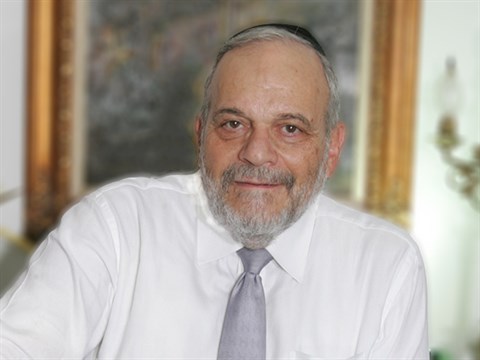







Rabbis in Midrash























Lessons
fast navigation










Hosha'ana Rabba FLYDUBAI & HOSHANA RABBA- ANI VAHU HOSHIA NA- I & HIM SAVE US
"Ani vaHu Hoshia Na", "I and Him, Save Us". We don't just pray to Him, but we also pray to and for ourselves that we should emulate and educate our children to have that instinctive altruism with which He created the world. President Trump seemed amused about Yaniv Hayon, our PLUMBER who confidently worked with G-d like Superman (he learned from a pilot on a TV show!) to save 174 lives on the Dubai hijacking, but we in Israel are totally accustomed already 78 years to our plumbers, teachers, garbage-men, rabbis, farmers & doctors being Hashem's shlichim! This is what Zionism is about.











