Yeshiva
Beit Midrash
- Sections
- Chemdat Yamim
- Parashat Hashavua
- Torah Portion and Tanach
- Vayikra
- Shmini

Moshe assured the people that this was the day when Hashem would appear to them with His glory (Vayikra 9:4), as the culmination and indeed the raison d’être of the construction of the Mishkan (Shemot 25:8). The hopeful wait was not easy, as the construction process was followed by seven days when Moshe did the right service, while the shechina (Divine Presence) did not yet appear. Moshe explained to them that for the shechina to come, his brother, Aharon, had to assume the role of kohen (Rashi to Vayikra 9:23).
The humble Aharon hesitantly took up his post and did as he was commanded. After bringing the korbanot, he uttered a blessing, which Chazal tell us was the following: "Let it be His will to dwell the shechina in the work of your hands." In other words, Aharon was saying: "It is not my doing, but the work of your hands. The Mishkan will be the Divine dwelling place to the extent that you prepared a proper place for Him with the proper intentions - not to show off or to have a lovely edifice. It was crucial that you did everything ‘as Hashem commanded Moshe.’" This is representative of the general need to nullify one’s desire before Hashem’s and to understand that man is not capable of grasping everything that Hashem knows or does. Some things man must accept without questions but must lower his head in humble submission.
Indeed this worked, and the shechina came down to the Mishkan to the excited but awestruck nation. However, amidst the elation, a bitter pill had to be swallowed. In contrast to the idea of submission to the Divine Will, Aharon’s sons, Nadav and Avihu, had decided to take their troughs and bring forward a "foreign fire." This was the opposite of what was needed. Instead of a service of self-nullification, they decided on a path of self-expression. Instead of waiting for the fire to come from above, they brought their own fire, and indeed a fire came down to consume them.
Aharon’s turn came to practice what he preached and to accept fully Hashem’s decree without qualms. He was to continue his service without even showing the signs of mourning, as this was what was required of someone with his level of dedication. After Aharon succeeded in continuing in powerful silence (ibid. 3), he merited that Hashem spoke to him directly to teach him the laws he needed for his continued service.
This power of self-effacement and ignoring one’s self-interest when involved in serving Hashem is something that found expression in later leaders. The regular haftara of Shemini tells how David danced before the aron in a wild manner that could have embarrassed him (and should have, according to his wife, Michal) (Shmuel II 6:14). It is the willingness to give up oneself for Hashem that is the secret recipe to earning the privilege of leadership in Israel for the time and for posterity.







Rabbis in Midrash






















Lessons
fast navigation







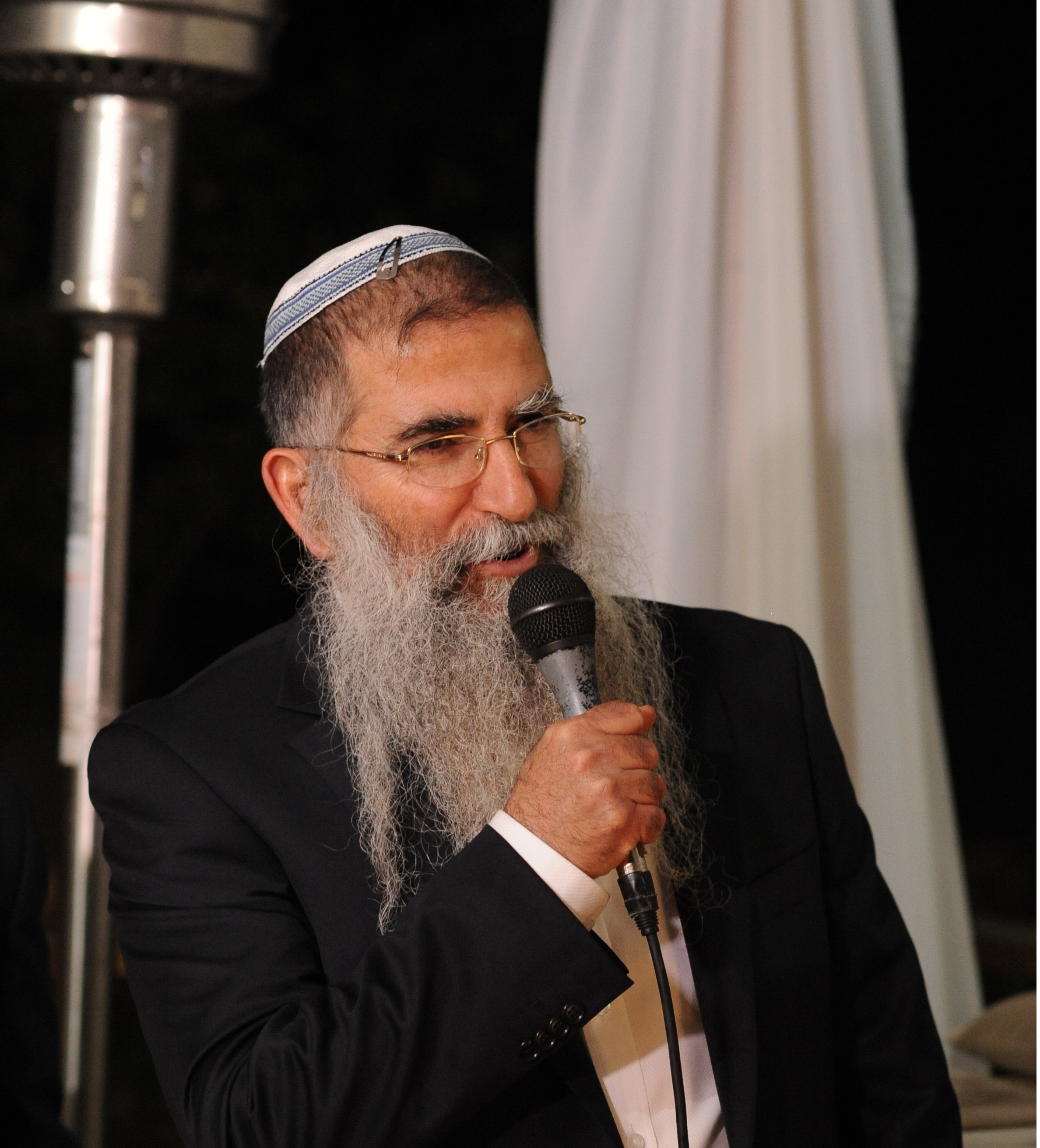



Hosha'ana Rabba FLYDUBAI & HOSHANA RABBA- ANI VAHU HOSHIA NA- I & HIM SAVE US
"Ani vaHu Hoshia Na", "I and Him, Save Us". We don't just pray to Him, but we also pray to and for ourselves that we should emulate and educate our children to have that instinctive altruism with which He created the world. President Trump seemed amused about Yaniv Hayon, our PLUMBER who confidently worked with G-d like Superman (he learned from a pilot on a TV show!) to save 174 lives on the Dubai hijacking, but we in Israel are totally accustomed already 78 years to our plumbers, teachers, garbage-men, rabbis, farmers & doctors being Hashem's shlichim! This is what Zionism is about.













