- Beit Midrash
- Jewish Laws and Thoughts
- Middot - Character Traits
Lashon Hara
articles on Lashon Hara

Lashon Hara - negative comments or positive ones?
Lashon Hara can be also in supposedly positive remarks.

where is the line between humility and Lashon Hara?
Is it possible to say Lashon Hara against yourself?

Shidduchim and Loshon Hora
Discussing the laws of loshon hora and machlokes often are not well understood.

Teshuva for Lashon Hara
How do I make Thesuva for Lashon Hara? Do I apologize, or maybe it's better to not tell this person?
Lessons on Lashon Hara

The Halachos of Book, Wine, and Restaurant Reviews
Is a person allowed to write balanced reviews of books? May one write reviews of other products, such as wine or restaurants? a person asks my opinion of a book, a wine, or a restaurant, may I answer truthfully, even if my personal negative opinion may result in the person choosing another product?

"Killing Me Softly With His Words"
Rav Kook on Rebuking Negative Speech - Ein Aya, Shabbat 2, 235
We all know that cussing, swearing & pornographic speech are prohibited just like gossip & Lashon HaRa, but Rav Kook explains why the Talmud doesn't allow us even to hear negative speech without rebuking. In addition to thought, speech, and action, Rav Kook adds that hearing is super-significant, e.g. one who deafens someone must pay damages not just for his ears, but for his entire body because learning, tradition, and kabbala are transmitted thru hearing. He adds that "if you're not part of the solution, you're part of the problem". Rebuke is not just for the sinner but for the "rebuker" himself (prevents being influenced), and for society and really all mankind.



Lessons
fast navigation










Various Events FOR WHOM NOT TO VOTE
Rav Zvi Yehuda Kook stressed that Israeli politics is G-dly, so I have no problem answering this common question on a Torani blog. Also, Free-Will is a G-d-given right and obligation, to "destine one's fate" (R. Soloveichik, Kol Dodi Dofek, 67), so I obviously don't tell others how to vote. But once not a few (especially young) have already asked, a couple of personal words from experience and thoughts from chazal & Rav Kook which may be of help to others, mainly for whom NOT to vote.

P'ninat Mishpat Fallout from Failure to Install Elevator – part II
based on ruling 85007 of the Eretz Hemdah-Gazit Rabbinical Courts

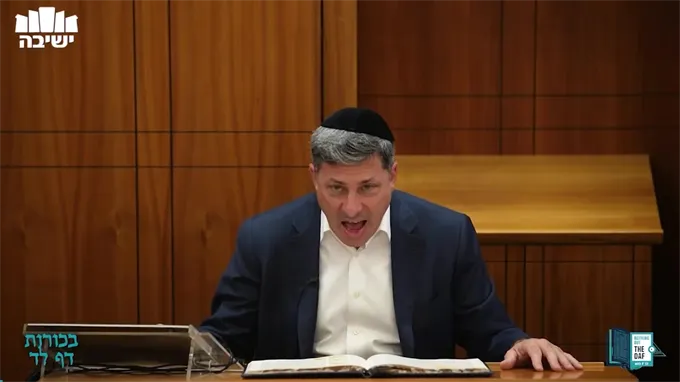








Rabbis on Lashon Hara