14 Lessons

Additional Lessons Is Enough Ever Enough??
The hands-down winner in the “favorite song of the Seder” contest, of course, is Dayenu. But would it really “have been enough” if G-d divided the sea & we did not safely cross it?!
Additional Lessons One Minute Late
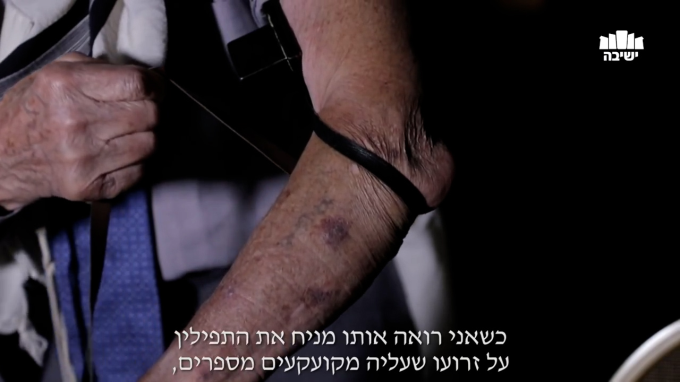
What drives a 90 year old man to come to the synagogue an hour and a quarter early? What can we learn from this?

Additional Lessons At this Point, the Son Asks
So why did Hashem liberate them? The answer is: because they were his sons; children are treated differently. They are always excellent, charming, beloved, and sweet. Hashem always treats them “like a father who has mercy on his children,” as they are the “apple of his eye.”

Additional Lessons Stealing the Afikoman
How to Keep Our Kids at the Seder and On The Derech of Torah
An innocent line in the gemara about "grabbing matzot at the Seder so children will stay awake", is open to 5 totally different explanations in the rishonim, where each one sees it as a springboard for his personal educational theory. Each of these chinuchi and psychological approaches will hopefully, not only keep our children at the seder, but also "on the derech" of Torah and Mitzvot, to stay religious for the rest of their lives. In addition to the Talmudic analysis, the she'ur includes humorous anecdotes and personal experiences, which were originally delivered at a Shabbat HaGadol Drasha.

Parashat Hashavua The Content of Slavery and the Content of Kingdom
Part II
The soul of a Jew is connected to the idea of malchut, of not being in need.

Bemare Habazak - Rabbis Questions The Way to Make Charoset
Are there halachot of how to make charoset, or is the (approximate) final product the important thing?
Parashat Hashavua The Content of Slavery and the Content of Kingdom
part I
The Seder night is accompanied by songs of freedom, greatness, and malchut, which form a contrast to the situation we could have sunk into had we remained in Egypt, as permanent slaves in the “house of slaves.” We set an atmosphere of “All Jews are the sons of kings” (Shabbat 67a) and “are fit to be kings” (Horiyot 13a).


