31 Lessons

The Education of Children and Students The Heavy Price Paid by Rabbis, Leaders & Their Children
Ein Aya, Shabbat 2, 240
Most people don't realize the extent of self-sacrifice, both physical (financial, health, time, worry, etc.) & spiritual (e.g. their own learning, marriage, children) that rabbis, community leaders & general volunteers lose by serving their students & community. Rabbi's children especially suffer, resenting the high expectations from a very young age! Inevitably, some even rebel against religion or communal service, either consciously or sub-consciously holding "them" responsible for their lost time with their parent. Some rebel to gain their parent's attention. Rav Kook deals with these painful phenomena of literal Mesirut Nefesh (not just Mesirut "Guf"!) & the limits involved, explaining the importance of serving Am Yisrael= serving G-d.
Ein Aya Rav Kook on Youth: Either Spiritual Heights or Pornographic Cussing
Ein Aya, Shabbat 2, 232
Rav Kook deals with the unproductive problem of daydreaming, sexual fantasy and pornography, and how it lowers one into a feeling of depression and loneliness, precisely missing the companionship that a true soul-mate is meant to be. He also deals with the problem of cursing, swearing and unclean speech, and the relationship between our thoughts, speech and actions, whether when used properly or misused. The power of speech is also directly connected with the Land of Israel where Hebrew, prophecy and leprosy for Lashon HaRa are apparent. This helps us understand speech in a modern context.

How to Educate A Fiery Message
At the Shabbat Table
The wonderful kids built the Beis Hamkidash with their own hands and suddenly...
How to Educate Rav Kook's Tips on How to Keep Your Kids Religious:
Shabbat Candles & Jewish Pride
The Talmud in masechet Shabbat teaches that women who are careful to light candles (especially on Shabbat) can affect their children's spirituality. Rav Kook, explains this aggadita very uniquely, as well as that which is written there, that there's also a connection between our childrens' education and our care to observe Tzitzit & Mezuza.
Additional Lessons Stealing the Afikoman
How to Keep Our Kids at the Seder and On The Derech of Torah
An innocent line in the gemara about "grabbing matzot at the Seder so children will stay awake", is open to 5 totally different explanations in the rishonim, where each one sees it as a springboard for his personal educational theory. Each of these chinuchi and psychological approaches will hopefully, not only keep our children at the seder, but also "on the derech" of Torah and Mitzvot, to stay religious for the rest of their lives. In addition to the Talmudic analysis, the she'ur includes humorous anecdotes and personal experiences, which were originally delivered at a Shabbat HaGadol Drasha.

The Education of Children and Students The Angel from Westchester
A moving story about how divine providence led Levi Welton to a convert who was inspired to name himself Chaim, after dancing with an angel he met in Westchester.

Education More on Chinuch
Question #1: His own Lulav? “Am I required to purchase for my son his own lulav?” Question #2: Three-year old Tzitzis? “At what age should my son start wearing tzitzis?” Question #3: Minor Kohanim “I know that one must be very careful that a kohen, even an infant, does not become contaminated with the tumah of a meis. Yet I rarely see a child under bar mitzvah duchen. Is this consistent?” Question #4: Kiruv Kohanim “We are in the process of being mekarev a fellow who is a kohen. He enjoys joining us for our family outings, and we love to visit museums. Could this present potential halachic issues?”
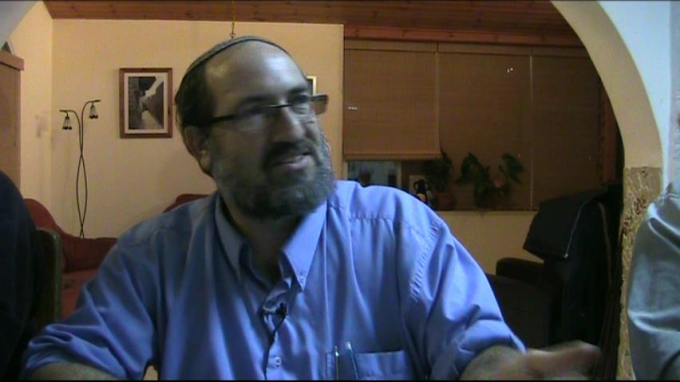
Ein Aya Youth Isn't Just a Preparation for Life But Rather the Most Ideal Stage of Life
Ein Aya Shabat Chapter B Paragraph 6
As opposed to most societies which see childhood as a necessary stage of preparation to learn how to earn a livelihood, Judaism rates a person by his G-dliness, not his money, and sees youth as more "unadulterated" and natural.
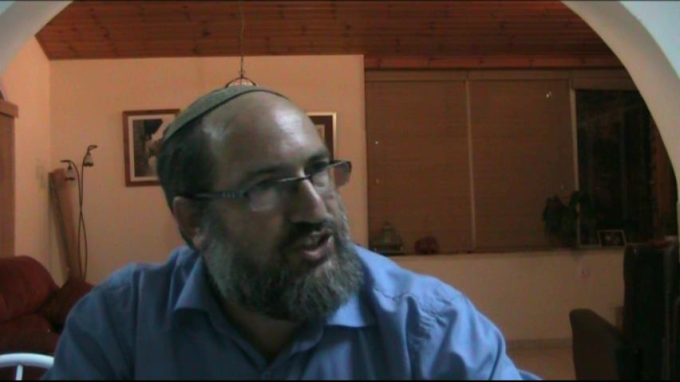
Ein Aya When to Be Strict and When Lenient in Life and Parenting?
Ein Aya Shabat Chapter A Paragraph 80
Everyon knows there is a need for both discipline and leniency, but can there be guidelines as to the proper balance?
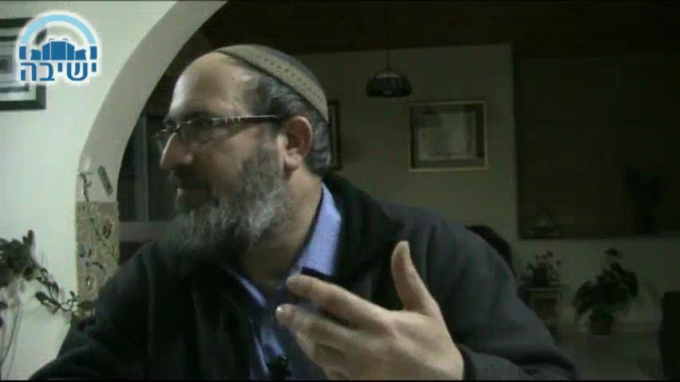
Ein Aya More Love and Less Discipline- the Change in Education Styles
Ein Aya Shabat Chapter A Paragraph 71
Examining the delicate balance between Love and Awe towards parents, rabbis and G-d in each respective generation.

The Education of Children and Students Reducing and Utilizing the Summer Vacation
The summer vacation is too long and can cause idleness, boredom and bad things. It should be reduced to one month and until then we must build a good program to fill the vacation.
The Education of Children and Students The Great Countdown
The time has come to reconsider our "independence" in the length of the summer vacation and make it shorter.

Sections Parents in Agreement
Sometimes my wife scolds our children, in my opinion unfairly. I tell her what I think, but she becomes upset with me. She claims that I offend her in front of the children. I think its fine for children to see parents disagree. What is your opinion?
