Yeshiva
Beit Midrash
- Shabbat and Holidays
- Hanukkah
- Articles about Hanukkah
- Jewish Laws and Thoughts
- Serving Hashem, Mitzvot and Repentance

But there was a ray of light emanating from all of this frustration - this brilliant article emerged from the dark recesses of my brain. By painful and exacting scientific research I discovered that the fault with the oil cups lay not with the oil but rather with the wicks. They just don’t draw the oil very well. And no matter how perfect the oil may be, poor wicks will frustrate lighting the holy lights every time. I think that is somewhat true of our current Jewish society as well. We possess an almost inexhaustible supply of great oil - Torah knowledge, scholars, talent and numbers. But most of it somehow never sees the light of day. There are not enough efficient wicks - teachers, rabbis, heroes, leaders - that are willing and able to extract the oil and transform it into lights to guide and illuminate us. Leadership cannot be taught but it certainly can be nurtured and encouraged. There has to be incentive not only to fill the cup of oil and gain great Torah knowledge for one’s self but also as importantly to become a wick and spread the light of Torah to a people mainly ignorant of its heritage and glorious past and demanding destiny. And to do so young scholars and potential leaders have to be willing to seemingly sacrifice some of their own schedules and spiritual comforts in order to serve the God and people of Israel. Concern for the spiritual welfare of other Jews is a supreme value that must be reinforced at every level of our educational system. "If I am only for myself, then what am I?" Hillel was interested not only in the oil but in the wicks as well.
The commentators point out that the miracle of the Chanuka lights in the Temple was a later replay of the miracle of Elisha with the widow of the prophet Ovadia. There Elisha told her to amass vessels - unlimited in amount - in order to start the oil pouring from the small flask of oil that she had in her house. He told her not to be stingy or cautious about the number of vessels that she acquired. She did so, at least to her mind and satisfaction, borrowing great numbers of vessels from her neighbors and friends and miraculously the small flask of oil was able to fill all of the vessels that she had on hand. Excitedly, she watched the oil that would save her and her family from poverty and servitude pour into the vessels. When she asked for more vessels to fill with the oil, her children told her that there were no more vessels. Immediately the oil stopped flowing. There is no shortage of miraculous oil that the Jewish people possess. It only lacks vessels, wicks that contain the oil and bring light and radiance to others. This is also a frustrating task, convincing people of the necessary altruism to help others also have some oil and spiritual light in their lives. But I think that this is part of the lesson that the Hasmoneans intended to impart to us. May the recently departed lights of Chanuka continue to illuminate our path in goodness and health.
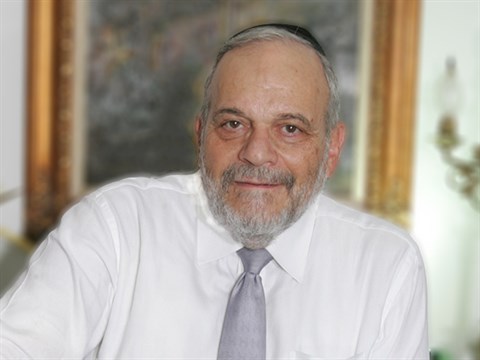

Articles about Hanukkah The Triumph of Israeli Renewal over Greek Stagnation
From "Megged Yerachim" published by "Beit Harav"






Rabbis in Midrash























Lessons
fast navigation











Hosha'ana Rabba FLYDUBAI & HOSHANA RABBA- ANI VAHU HOSHIA NA- I & HIM SAVE US
"Ani vaHu Hoshia Na", "I and Him, Save Us". We don't just pray to Him, but we also pray to and for ourselves that we should emulate and educate our children to have that instinctive altruism with which He created the world. President Trump seemed amused about Yaniv Hayon, our PLUMBER who confidently worked with G-d like Superman (he learned from a pilot on a TV show!) to save 174 lives on the Dubai hijacking, but we in Israel are totally accustomed already 78 years to our plumbers, teachers, garbage-men, rabbis, farmers & doctors being Hashem's shlichim! This is what Zionism is about.












