Yeshiva
Beit Midrash
- Jewish Laws and Thoughts
- Serving Hashem
- Additional Lessons

The Torah stressed that mortality is the human condition from which there are no exceptions or escape. Yet the Torah demanded that we live cheerful lives and taught us that depression and dwelling on sadness only distances us from our Creator. We are to worship God in a sense of happiness and optimism. Divine inspiration cannot be achieved in sadness and frustration. Judaism, which teaches us that our soul is immortal, therefore faces the reality of mortality realistically but still retains a sense of eternity that every human being can attach one’s self to. There are so many events in our lives that we cannot control or predict so that worrying in advance about the unknown becomes futile. However regarding those things in life that are within our grasp and are part of our daily behavior and actions they have to be viewed as important matters. We should not procrastinate or delay the doing of good on the promise of tomorrow. The words of Rabi Akiva ring true down the ages: "Do not say I will postpone the study of Torah until tomorrow when I will have time and means for it, for perhaps that tomorrow may never yet come to you." Thus the rule of behavior that the rabbis taught us: "An opportunity to perform a mitzvah should never be allowed to simply pass." Life is too uncertain for us to allow delay and postponement to rule our good instincts and potentially holy behavior.
The Torah emphasized this point to us when it famously stated: "The hidden things in life - the future and the continuing interference of unplanned for events into our lives - belong solely to the Lord our God. But what is in our control, our current actions and behavior, is to be subject to the fulfillment of the Torah by us and our progeny forever more!" Rabbi Abraham ibn Ezra once stated succinctly: "The past is gone, the future has not yet arrived and the present is but a fleeting moment, so humans have to make the best of life as it occurs." This follows the advice of the Psalmist - in this case our teacher Moshe - that we should count our days. Every day is a precious commodity and should not be squandered in pettiness, foolishness and sad evil. The importance of living life in this fashion lies at the essence of all Jewish thought and ritual. In fact it is the presence of ritual in our everyday life that allows that day - every day - to be special and worthy for today I am fulfilling an obligation to my Creator and thus binding myself to eventual eternity. Life truly intervenes and interferes with our plans and certainties but we have to rise to life’s occasions and challenges with faith, hope, alacrity and optimism.
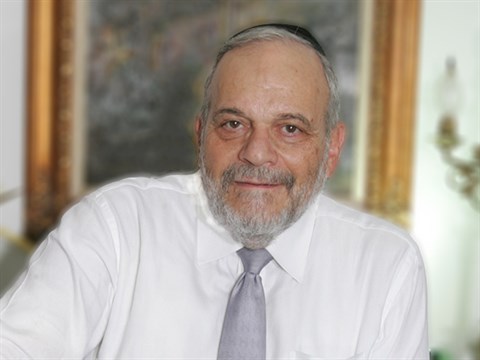






Rabbis in Midrash























Lessons
fast navigation











Various Events FOR WHOM NOT TO VOTE
Rav Zvi Yehuda Kook stressed that Israeli politics is G-dly, so I have no problem answering this common question on a Torani blog. Also, Free-Will is a G-d-given right and obligation, to "destine one's fate" (R. Soloveichik, Kol Dodi Dofek, 67), so I obviously don't tell others how to vote. But once not a few (especially young) have already asked, a couple of personal words from experience and thoughts from chazal & Rav Kook which may be of help to others, mainly for whom NOT to vote.

P'ninat Mishpat Fallout from Failure to Install Elevator – part II
based on ruling 85007 of the Eretz Hemdah-Gazit Rabbinical Courts







