Yeshiva
Beit Midrash
- Torah Portion and Tanach
- Shmot
- Beshalach

Though each of the commentators offers a differently nuanced answer to these questions there is a common thread that runs through all of their words and ideas. And that is that human beings are basically dissatisfied creatures. The rabbis taught us that he who has one hundred (million, billion, trillion?) always wishes that one had two hundred! The rabbis therefore defined wealth in terms of personal satisfaction and gratitude and therefore they ruefully remarked that are rather few wealthy people present in our world. "Most of the world is poor," they declaimed and they were not speaking of material artificially and statically arrived at poverty lines. In fact, the largesse and ease poured unto our ancestors as they left Egypt was meant to teach them that no amount of material well being would ever be enough for them. There had to be another dimension that had to enter their lives and beings. And that was an intangible one of spirit and holy purpose, of Godly behavior and gratitude for life itself. It was represented by the Torah that they would receive and accept at Mount Sinai fifty days after their liberation from Egyptian slavery. For fifty days their ingratitude would be forgivable for they had no other insight into life except the always unsatisfactory material one. After receiving the Torah at Sinai they would now be held to higher standard of appreciation and thankfulness. That has been the secret of Jewish resilience and survival throughout many a very bleak physical time. It remains valid and true for our current time as well.
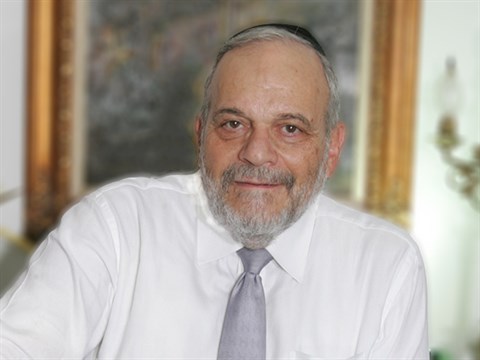







Rabbis in Midrash























Lessons
fast navigation











Hosha'ana Rabba FLYDUBAI & HOSHANA RABBA- ANI VAHU HOSHIA NA- I & HIM SAVE US
"Ani vaHu Hoshia Na", "I and Him, Save Us". We don't just pray to Him, but we also pray to and for ourselves that we should emulate and educate our children to have that instinctive altruism with which He created the world. President Trump seemed amused about Yaniv Hayon, our PLUMBER who confidently worked with G-d like Superman (he learned from a pilot on a TV show!) to save 174 lives on the Dubai hijacking, but we in Israel are totally accustomed already 78 years to our plumbers, teachers, garbage-men, rabbis, farmers & doctors being Hashem's shlichim! This is what Zionism is about.











